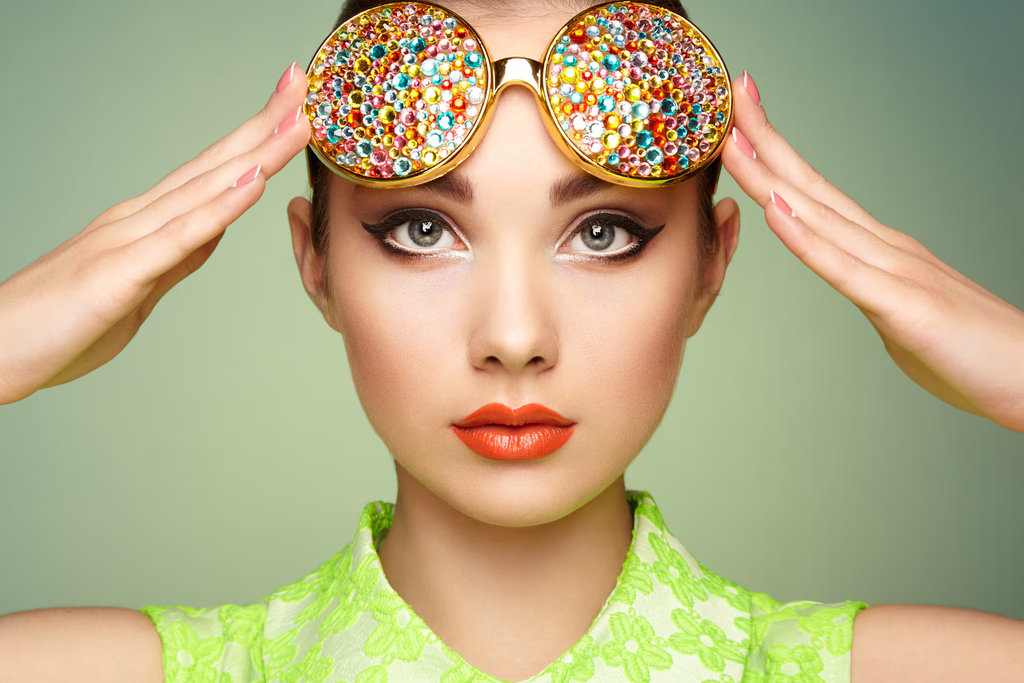
Long before “clean beauty” was a hashtag, humans were mixing minerals, oils, and pigments to care for their skin and change how they looked. The history of cosmetics is really the history of how we relate to our own bodies — and it says just as much about culture, chemistry, and commerce as it does about vanity.
Ancient Beginnings
The earliest cosmetics date back to around 4000 BC in ancient Egypt, where kohl-lined eyes weren’t just decorative — they were believed to ward off infection and deflect the sun’s glare. By 1500 BC, cosmetic use had spread through nearly every social class in Egypt, while in Mesopotamia, women are credited with creating some of the first manmade beauty formulas. Ancient Greece and Rome later added their own rituals: pale skin as a status symbol, crushed berries for color, and early perfumed oils stored in small clay and glass containers — the ancestors of the glass bottles sitting on our bathroom shelves today.
A Quiet Middle Ages, A Roaring Renaissance
Cosmetics all but disappeared from European life between 200 and 1000 AD, viewed with suspicion by the church. But trends drifted back west as soldiers returned from the Crusades, and by the Renaissance, cosmetics were back in fashion — often at a steep cost, since many formulas of the era relied on lead and mercury.
The Birth of a Modern Industry
The real turning point came in the twentieth century. Hollywood and the rise of consumer advertising made cosmetics aspirational and mainstream. Companies like Avon (born from the California Perfume Company in 1928) turned beauty into a proper industry, and the decades that followed brought lipstick, mascara, foundation, and skincare formulas built on real chemistry — vitamins, acids, and antioxidants replacing guesswork.
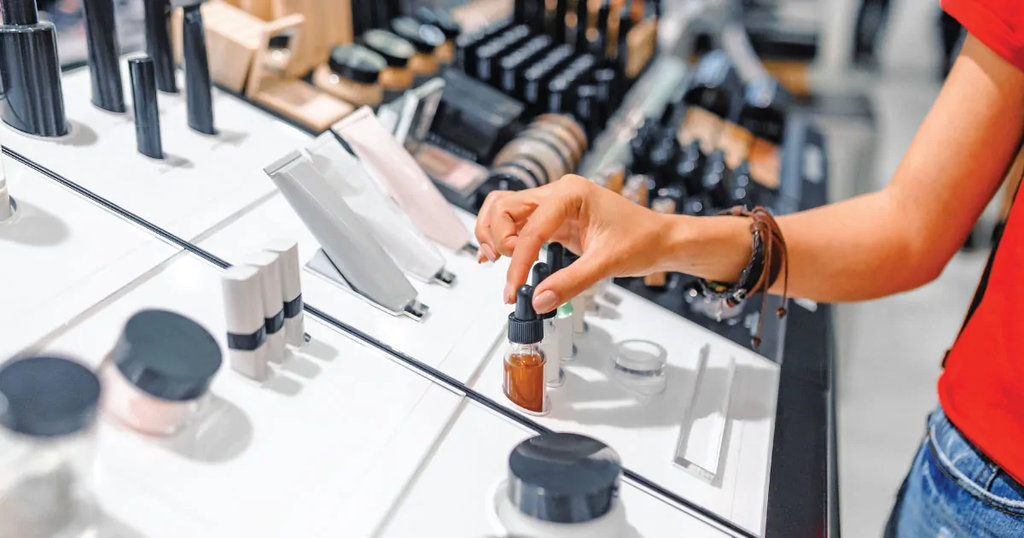
This is also when packaging started to matter as much as the formula inside it. As cosmetics moved from apothecary counters to mass production, brands needed containers that could protect delicate, often light-sensitive ingredients at scale. Amber glass bottles became the industry standard for exactly this reason — the tinted glass blocks UV light and helps preserve active ingredients like vitamin C and retinol far longer than clear glass or plastic. Glass dropper bottles, screw cap closures, and small ampoule-style vials all trace back to this era, when the pharmaceutical world’s obsession with sterility and shelf life started shaping how beauty products were packaged too.
The Clean Beauty and Sustainable Packaging Era
Fast forward to today, and the cosmetics industry is in the middle of another shift — one driven less by mass production and more by transparency. Consumers want to know what’s in their products and, increasingly, what happens to the packaging afterward. Sustainable cosmetic packaging has moved from a niche selling point to an expectation, and refillable beauty packaging is showing up everywhere from prestige skincare to indie serum brands.
Glass has quietly become the hero material of this movement again. It’s endlessly recyclable, chemically inert (so it doesn’t react with actives the way some plastics can), and it has that reassuring, premium weight in your hand. That’s part of why dropper bottles and amber glass bottles are having such a moment in skincare — they’re not just functional, they signal that a brand takes formulation seriously.
Why Packaging Is Becoming Part of the Formula
There’s a reason so many of today’s serums, oils, and actives ship in small glass vials rather than jars or plastic pumps: cosmetic packaging is no longer an afterthought, it’s part of how a product performs. A vitamin C serum in the wrong container can oxidize within weeks. The same formula in a proper amber glass bottle with an airtight screw cap can stay stable for months longer.
This is exactly the gap indie and DIY beauty brands are filling as they build their own small-batch lines — sourcing lab-grade glass vials, dropper bottles, stoppers, and caps rather than relying on generic retail packaging. Suppliers like VialShop — originally built around pharmaceutical-grade glass vials and closures — have become a go-to resource for exactly this crossover, since the same sterile, light-protective glass that keeps a medication stable is just as good at protecting a serum or facial oil.
Where It’s Headed
If the last hundred years of the cosmetics industry were about scale — mass production, mass marketing, mass distribution — the next chapter looks a lot more personal: smaller batches, ingredient transparency, refill programs, and packaging chosen as deliberately as the formula itself. The eyeliner may still trace back to ancient Egypt, but how it’s bottled is more relevant to the industry’s future than ever.